
Join Max's Gold Club

Supershred diet plan


Home > Nutrition > Supershred diet plan >

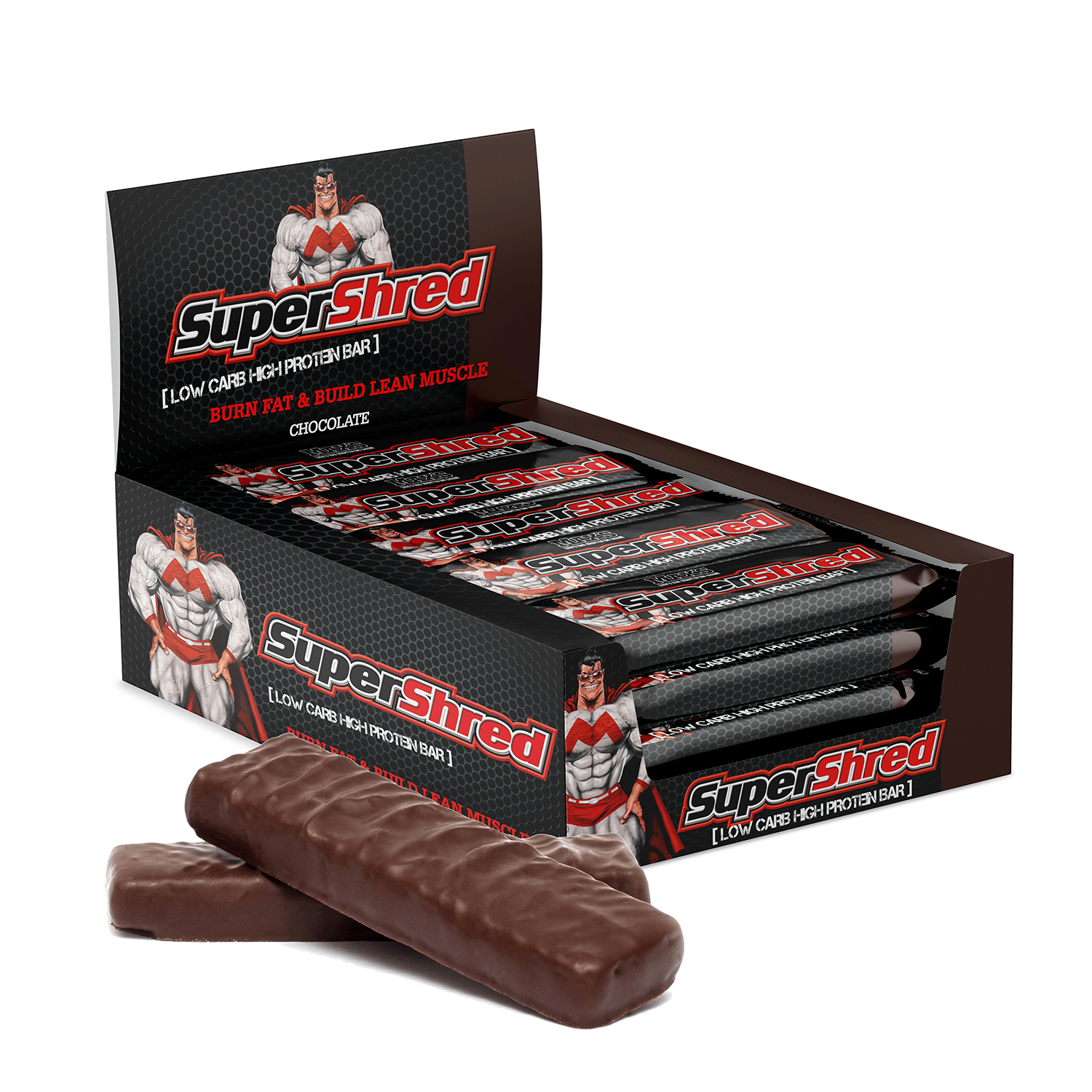
We get a lot of inquiries from people who are using MAX'S Supershred and are looking for the best way to use it to lose body fat. Well there are a number of ways that you can use Supershred to achieve results, but let's look at an approach that has been very successful for lots of Supershred users.

Maxs Supershred is a protein formulation for building muscle and stripping body fat,. If you don't understand what a low carb diet is, there is a basic explanation at the end of this document. Secondly, Supershred should be mixed in water, not milk. Milk contains a significant amount of lactose, which is in fact a sugar or carbohydrate, so you are defeating the purpose of a low carb diet somewhat, by mixing Supershred and is designed to be used in conjunction with a low carb diet. If you are not following a low carb diet, then with milk.

Maxs Supershred has the added benefit of including 2 carb blocking nutrients, Hydroxy Citric Acid (derived from Garcinia) and Phaseolamin (derived from white kidney beans). These nutrients reduce starch digestion and conversion of blood sugars to fat. When combined with several fat metabolisers, Supershred is the ideal high protein formula to use as part of a low carb diet. Just to recap, the idea of a low carb diet is to reduce the amount of carbohydrates you eat, which then forces your body to burn mostly fat for energy. That fat will come form the food you eat and the fat stored around your body. You can use Supershred to help you really kick-start the fat burning process, while at the same time building quality lean muscle. (MAX'S Supershred is approximately 90% protein derived from Whey Protein Isolate and hydrolysed Whey Protein Isolate).

Before you get started it's a good idea to actually set yourself a goal. Perhaps it's a weight you want to get down to or a body fat percentage you want to achieve. Whatever it is, make it realistic and achievable in the short to medium term. If you weigh 130kg and you want to get down to 60kg in 6 months - well this will be pretty tough, and most people will give up. You are better to set a goal of 100kg in 3 - 4 months, a challenge but quite achievable. When you get to this milestone, reassess your goal, adjust your diet and training, and then go for your next goal.

OK, here's what you do. For 7 days you are going to eat one low carb meal each day and replace all other daily meals with a Supershred shake. Well actually, you should take a shake when you get hungry. If you are in heavy training, this may mean 4 - 5 shakes a day - but that's OK! For your low carb meal - most people prefer to make this lunch or dinner, have a good protein serving such as steak, chicken, fish or eggs, accompanied by a large serving of vegetables or salad. Remember, with the salad and vegetables, stay away from the starchy vegetables such as potatoes, pumpkin, peas and sweet corn. Also stay away from bread, pasta, rice, sugar and any product made from flour. Follow this diet for 7 days. Some people find this a bit tough, but it's only for 7 days, after which you can start eating a bit more freely. It's not uncommon to lose about 5 kg in the first week, depending on your initial size, training program, and metabolism. While some of this will be fluid, a good amount will be fat! By day 7 you should really be in the 'fat burning zone'. Now it's time to move onto the next stage.Remember to get a good steamer to boil your food as this video explain's 


From here on, as you are working towards your fat loss goal, you will be eating 2 low carb meals each day, and taking SuperShred shakes at other times during the day, as you are hungry. If you have a big appetite, this might mean 3 - 4 shakes, while smaller eaters might only have one. An example of your daily program if you are a big trainer might look like this:

  • Breakfast: SuperShred Shake
  • Mid Morning: SuperShred Shake
  • Lunch: Low carb meal (lean meat & salad)
  • Afternoon: SuperShred Shake
  • Dinner: Low carb meal (lean meat and vegetables)
  • Before Bed: SuperShred Shake

If you have a smaller appetite, simply cut back the Supershred shakes to 2 or 3 per day. Continue this program until your get down to your realistic goal weight. You can stay on an approach like this for weeks or even months.

When you do reach your fat loss target, the next challenge is maintaining that body fat level. By subtly changing your diet, you will find it relatively easy to maintain a stable body weight. At this point, most trainers should maintain 5 - 6 smaller meals per day.  However, don't make the mistake of slipping back to old high carb eating habits or you will start piling on the fat you have shed. From here on you can start eating some healthy carbs again but moderation is key. As a general rule, eat about one third of the carbs you used to eat on a 'normal' diet. Also, choose Low Glycemic Index (GI) carbs - these are foods where the carbohydrate content digests relatively slowly. To understand which carb foods are low GI, drop into your local health food store and buy a book that lists the GI levels of common foods.

Should you continue to use SuperShred? If you are weight training or do exercise regularly then you will have a greater protein requirement, and Supershred is an ideal source of the highest quality protein. Supershred will help you to continue to build muscle while helping block carbs to help you get lean and stay that way. 1 or 2 shakes a day is a good level for most trainers.


The Low Carb Diet

In this section we'll have a look at the general principals of the Low Carb Diet. This type of diet relies on high protein, moderate fat, and virtually low carbohydrates - a regime that seems to contradict many traditional views on what an ideal balanced diet is. In our experience low carb diets are excellent for fast and effective fat stripping.


How does a Low Carb Diet work?

Diets high in sugar and refined carbohydrates like bread, pasta, cereal, and other mainly "low-fat" processed foods increase your body's production of insulin. When insulin is at high levels in the body, the food you eat can get readily converted into body fat, in the form of triglycerides (to top it off, high triglyceride levels in the body are one of the greatest risk factors for heart disease). Even worse, high carbohydrate meals tend to leave you less satisfied than those that contain adequate fat and protein levels; so you tend to eat more and get hungrier sooner. If you find this hard to believe, think about how much pasta or bread you can eat at lunch and then how hungry you are running to the vending machine for another "carbo-fix" in the mid-afternoon. If the pasta you ate was really giving your body what it needed, you should stay full until dinnertime. The typical low-protein, low-fat meal tends to leave you eating more and getting hungry sooner.

So what should you do? Get off the insulin generating roller coaster of the low-fat diet and start cutting down on your carbohydrate consumption, especially the worst offenders: sugar, white flour and other refined carbohydrate-based products. What can you expect from this?

  • You'll start to burn fat for energy: Since carbohydrates are the body's primary energy source, on a high carb diet you'll rarely use your secondary energy source, you own body fat for energy unless you restrict carbohydrate consumption. If you permanently change your eating habit, this offers a lifetime of body fat burning.
  • You won't feel hungry in between meals: The biggest battle that most trainers face with stripping body fat is the constant obsession with food as you are never really satisfied. Again, much of this is caused by blood sugar fluctuations that are aggravated by carbohydrate consumption (especially the refined kind). By cutting the carbs, you'll maintain a more even blood sugar level throughout the day. No more false hunger pains or mid-afternoon brain drains.
  • Your overall health will improve and you'll feel better: Many of the toxins you take into your body are stored in your fat cells. By getting your body to burn stored fat, you allow it to clean itself out. Combined with the benefits of stable blood sugar, the end result is that many common ailments you have been experiencing could well be alleviated. Fatigue, irritability, depression, headaches, and even many forms of joint and muscular often improve dramatically. Furthermore, you should see a significant improvement in your blood profile, (including cholesterol and blood pressure levels). All this leads to better health and well-being-- something all of us strive to bring into our lives.
  • You will retain muscle mass: Usually, when you diet down to lose body fat on a low fat diet, you also lose a significant amount of hard-earned muscle. The low carb approach uses mostly fat as an energy source, as this is abundant. And because protein is kept high, it is not only possible to maintain muscle, but to actually build muscle, virtually impossible on a low fat diet.

Some Key Information about Sugar

Sugar is empty calories. best_abs.jpgIt contains no vitamins. No minerals. It is 100% carbohydrate. So it must be metabolised immediately. Your body is thrown into chaos to quickly process the sugar and turn it into ready energy, depleting your body in the process. Sugar is an energy sucker; an Anti-Nutrient. White flour is its second cousin and almost as bad. When you partner the two together, flour and sugar, it spells disaster for anyone trying to maintain a healthy body, let alone build muscle and lose fat. If they are consumed on a regular basis, the body is in a constant state of nutritional deficiency.

What's frightening is that in recent years, nutritionists have encouraged the consumption of flour by unveiling a  food pyramid that is based on grains and recommends six to eleven servings a day. But no real distinction is made between white processed flour, which is stripped of the nutrients, especially important trace minerals, and the much more healthy whole grains (unless you have a food allergy). And the result? Athletes now think they're making healthy choices by loading up on cereals, pasta and breads.

So how do we protect ourselves, stay healthy, lean, and build muscle? You need to give this lower carb diet a proper go, 6 - 12 months, and see the results. If you stick with this approach properly you will shed body fat, and gain muscle! So now we are going to start eating a healthy, balanced diet of low-carbohydrate foods, high protein foods, and moderate fat foods. We will also use a good multivitamin/mineral supplement and a quality, low carb protein powder such as MAX'S SuperShred.

This is all fine in theory, but how do you start. Well here are some basic guidelines about what you can and can't eat. Generally, you should eat 6 smaller high protein, moderate fat, low carb meals each day. Other basic rules that should be followed are:

  • When trying to strip fat and get lean do not eat more than 20 - 30 grams of Carbohydrates Daily
  • You can eat up lots of fibrous salad and steamed vegetables but you must avoid starchy vegetables like potato, pumpkin and rice.
  • This diet consists of proteins, moderate amounts of healthy fats like olive oli, flaxseed oil and avocado, small amouints of other fats, plus plenty of fibrous vegetables.
  • Fat is ok in moderation on this diet - up to 30% of your calories,
  • A moderate amount of fibrous carbs like oats are allowed each morning but not at other times during the day
  • You may drink water, coffee (decaf), tea, diet drinks (one per day). Any Drink with 0 carbs is allowed.
  • On a high protein diet it is advisable to drink 3 - 4 litres of water a day.
  • Using a carbohydrate counter (one could make a list of foods totaling 20 - 30 carbohydrates or less) available from most chemists or newsagents
  • Train normally, you should still have plenty of energy after your body gets accustomed to this diet after a few days
  • DOING ALL THIS WILL MOST LIKELY ENSURE A FAST WEIGHT LOSS


    How Much Protein?

    When you're trying to strip fat and build muscle, how much protein should you have each day? For a hard trainer, the simple rule of thumb is 2.5 grams of protein per kilogram of body weight to give you enough protein. So if you weigh 100kg, you should be consuming 250 grams of protein every day. How much is that? 200g of grilled chicken breast contains about 50 grams of protein, which is about the maximum amount of protein your body can assimilate in one meal. Protein powders like SuperShred are a great way to get high levels of quality protein without fat and carbs. 

What can you eat?

The following foods have virtually no carbohydrates and so can be eaten freely:

  • Lean Meat
  • Chicken Breast - skin removed
  • Seafood
  • Cheese (in moderation)
  • Eggs (mostly whites)
  • Butter or margarine (in moderation)
  • Salt/Pepper/any Spices or Herbs
  • Protein Powder - Like MAX'S HP+ with low carbs in water
Note: Alcohol and Caffeine aren't the best things to have when you are dieting, but they are OK in moderation.
 

The following foods and drinks are fairly low in carbs but you have to limit them because you can easily over eat or over drink your daily consumption. Those foods are:

  • Nuts & Seeds (of any kind)
  • Peanut Butter
  • Fibrous Vegetables
  • Avocados (though a fruit, high in fat and fairly low in carb which is good!)
  • Salad Dressings (except French and Thousand Island)

Foods and drinks to avoid completely while dieting:

  • Breads
  • Pastas
  • Potatoes
  • Anything which contains flour
  • Rice
  • Sugar and anything wich contains sugar
  • Chocolate
  • Cakes
  • Fruit

Drinks:

  • Regular soft drinks (Cola, etc.)
  • Fruit Juices
  • Sports Drinks
  • Milk
  • Beer
  • Wine
  • Spirits

This article is only really touching the surface of this very interesting subject. If you are interested, give this approach a go for 3 - 6 months, and stick with it, you will be amazed with the results. Once you reach your target weight you can start to moderate your diet and re-introduce some low GI carbs. But this is a whole other subject.

Further Reading:

What is Glycemic Index?

 20 Diet Tips